Smooth Motor is specialized in high precision stepper motor and customized assembly for 32 years.
Language
After years of solid and rapid development, Smooth Motor has grown into one of the most professional and influential enterprises in China. linear actuator motor We will do our best to serve customers throughout the whole process from product design, R&D, to delivery. Welcome to contact us for further information about our new product linear actuator motor or our company.Internationally-certified quality: The product, tested by the authoritative third-party, has been approved to meet with the widely-recognized international quality standards.
Do Linear Actuators Use Stepper Motors?
Yes, types of linear actuators frequently utilize stepper motors to achieve precise linear motion. The 42PM Linear Actuator Stepper Motor is a prime example, combining a permanent magnet stepper motor with a mechanical conversion mechanism (e.g., lead screw or ball screw) to transform rotational motion into linear displacement. Key advantages include:
High Precision: With a 7.5° step angle and resolutions as fine as 0.0132mm, it suits applications like medical devices and fluid control.
Control Flexibility: Open-loop operation eliminates the need for feedback sensors, reducing system complexity.
Reliability: Rated for 500,000 cycles and operating temperatures from -20°C to 70°C, it thrives in demanding environments.
What Are the 4 Types of Linear Actuators?
Linear actuators are categorized by their drive mechanisms. The 42PM series falls under electromechanical actuators, but the four primary types include:
1. Electromechanical Actuators
Driven by: Electric motors (stepper, servo, or DC).
Mechanism: Converts rotational motion via screws, belts, or gears.
42PM Example: Uses a stepper motor with lead screw for medical/pump applications.
2. Hydraulic Actuators
Driven by: Fluid pressure.
Use Case: Heavy-duty industrial machinery (e.g., construction equipment).
3. Pneumatic Actuators
Driven by: Compressed air.
Use Case: High-speed, low-cost automation (e.g., packaging lines).
4. Piezoelectric Actuators
Driven by: Electric field-induced crystal deformation.
Use Case: Ultra-precision positioning (e.g., optical instruments).
How Does a Linear Actuator Work Step by Step?
The 42PM Linear Actuator operates through a 3-step process:
1. Electrical Input: A controller sends pulse signals to the stepper motor (e.g., 200 pulses/revolution for 1.8° motors; 48 pulses/revolution for 7.5° models like the 42PM).
2. Rotational Motion: The motor’s rotor turns in discrete steps (e.g., 7.5° per step for the 42PM), driven by electromagnetic fields interacting with permanent magnets.
3. Linear Conversion:
A lead screw or ball screw attached to the rotor converts rotation into linear movement.
Resolution: Determined by screw pitch (e.g., 0.0132mm resolution for the 42PM401B-108N).
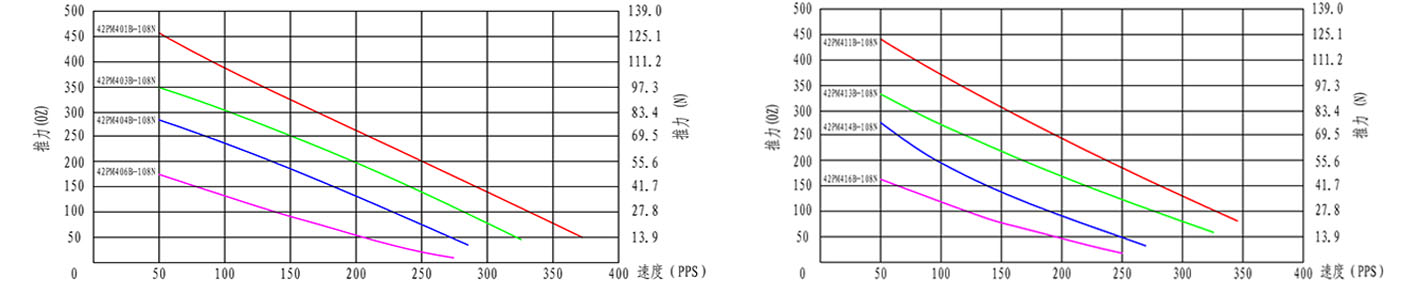
Thrust: Generated by motor torque and screw efficiency (e.g., 136N max thrust for the 42PM401B-108N).
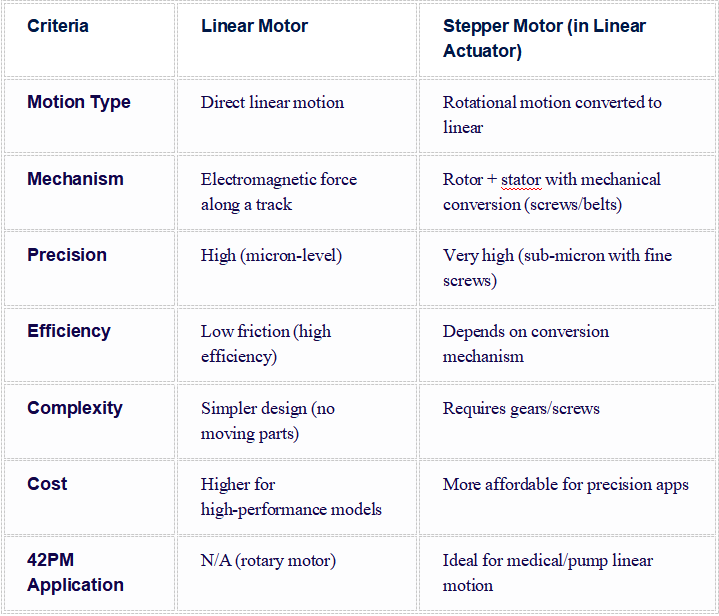
What Is the Difference Between Linear and Stepper Motors?
Why Choose the 42P M Linear Actuator Stepper Motor?
1.Precision Engineering:
7.5° step angle and 0.0132mm resolution ensure ultra-fine positioning.
Low axial clearance (0.015mm max) minimizes backlash.
2.Robust Performance:
136N max thrust (42PM401B-108N) handles demanding fluid control.
500,000-cycle lifespan guarantees long-term reliability.
3.Versatility:
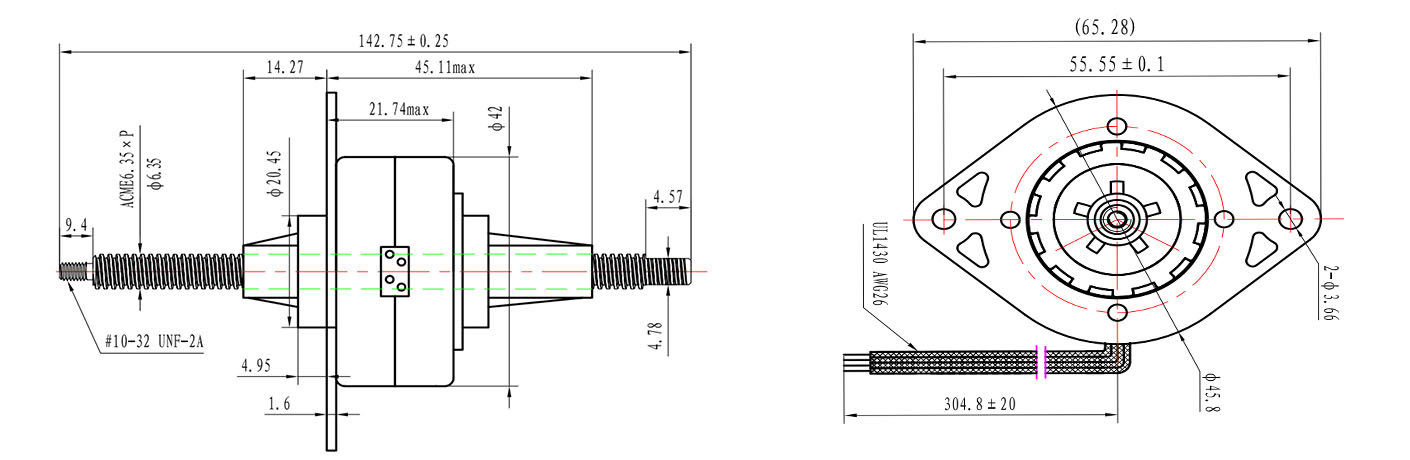
External: Motor and screw separate (42PM401B-108N).
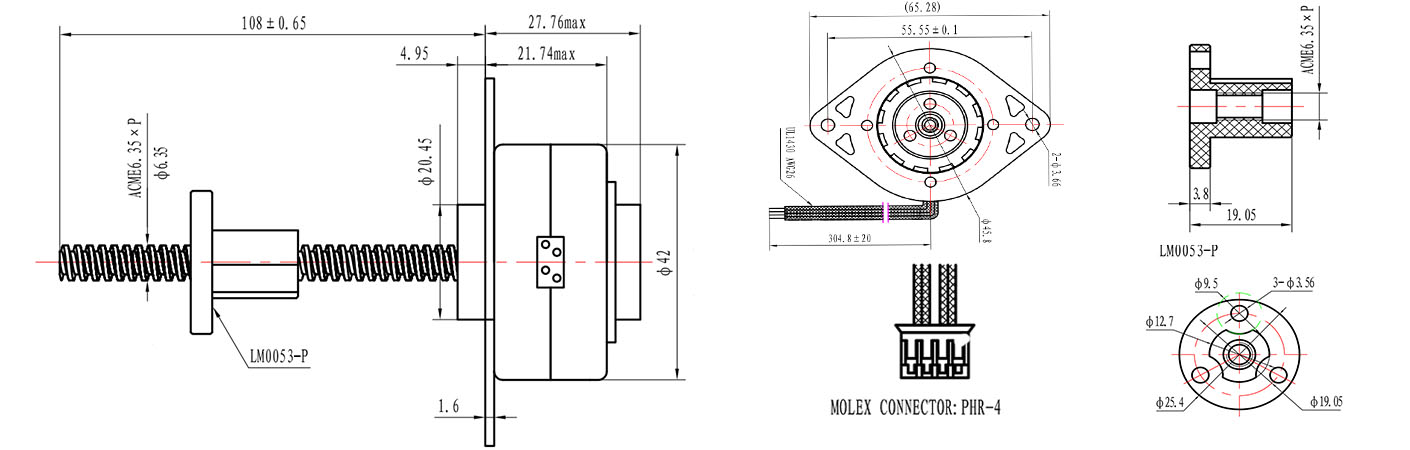
Non-Captive: Screw rotates within motor (42PM401B-T1).
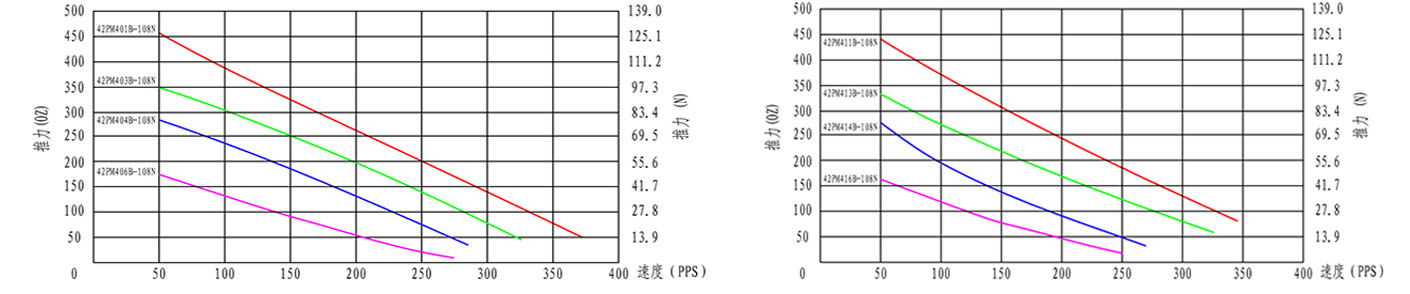
Captive: Screw remains stationary; nut moves (42PM401B-D1).
Wide voltage range (5V–12V) suits battery-powered or mains applications.
4.Customization:
Adjust screw pitch, motor length, or connector type for your application.
Contact us for IP-rated enclosures or food-grade materials (e.g., for pumps).
Applications of stepper motor linear actuators
· Medical Devices: Precision fluid pumps, lab automation, and surgical robots.
· Industrial: Miniature valve control, 3D printing, and optical alignment.
· Consumer: Smart appliances, HVAC dampers, and security cameras.
Stepper Motor Linear Actuator Specifications
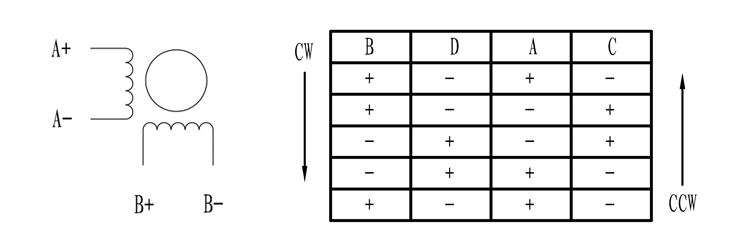
| General Specification | Wiring Diagram and Stepping Sequence | |
| Step Angle | 7.5° |
|
| Phases | 2/2 Bipolar | |
| Insulation Resistance | 20MΩmin | |
| Dielectrical Strength | 500V DC | |
| Axial Clearance | 0.015mm max | |
| Working Temperature | -20℃~70℃ | |
| Storage Temperatur | -40℃~80℃ | |
| Service Life | 500K Times Round-trip | |
| Weight | About 156g | |
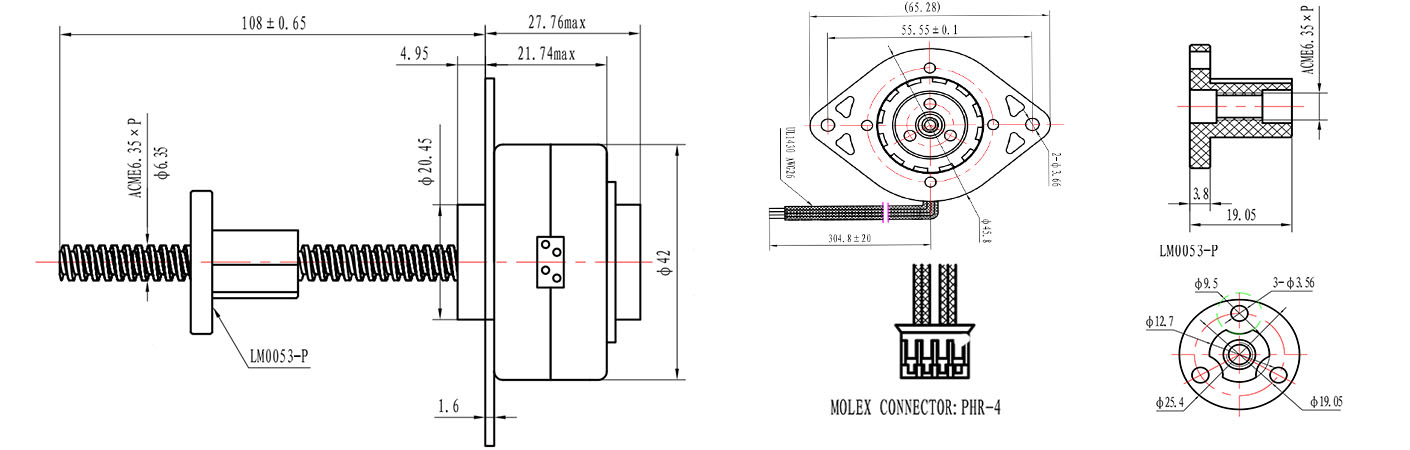
| Model | Step Angle | Voltage V | Current A | Leads mm | Rseolution mm | Thrust @50pps | Resistance Ω | Inductance mH |
| 42PM401B-108N | 7.5° | 5 | 1.0 | 0.635 | 0.0132 | 136N | 5 | 5.5 |
| 42PM403B-108N | 1.2192 | 0.0254 | 105N | |||||
| 42PM404B-108N | 2.4384 | 0.0508 | 83.4N | |||||
| 42PM406B-108N | 4.8768 | 0.1016 | 55.6N | |||||
| 42PM411B-108N | 12 | 0.42 | 0.635 | 0.0132 | 130N | 28.8 | 39.3 | |
| 42PM413B-108N | 1.2192 | 0.0254 | 100N | |||||
| 42PM414B-108N | 2.4384 | 0.0508 | 72.3N | |||||
| 42PM416B-108N | 4.8768 | 0.1016 | 50.0N |
| Model | Step Angle | Voltage V | Current A | Leads mm | Rseolution mm | Thrust @50pps | Resistance Ω | Inductance mH |
| 42PM401B-T1 | 7.5° | 5 | 1.0 | 0.635 | 0.0132 | 136N | 5 | 5.5 |
| 42PM403B-T1 | 1.2192 | 0.0254 | 105N | |||||
| 42PM404B-T1 | 2.4384 | 0.0508 | 83.4N | |||||
| 42PM406B-T1 | 4.8768 | 0.1016 | 55.6N | |||||
| 42PM411B-T1 | 12 | 0.42 | 0.635 | 0.0132 | 130N | 28.8 | 39.3 | |
| 42PM413B-T1 | 1.2192 | 0.0254 | 100N | |||||
| 42PM414B-T1 | 2.4384 | 0.0508 | 72.3N | |||||
| 42PM416B-T1 | 4.8768 | 0.1016 | 50.0N |

| Model | Step Angle | Voltage V | Current A | Leads mm | Rseolution mm | Thrust @50pps | Resistance Ω | Inductance mH |
| 42PM401B-D1 | 7.5° | 5 | 1.0 | 0.635 | 0.0132 | 136N | 5 | 5.5 |
| 42PM403B-D1 | 1.2192 | 0.0254 | 105N | |||||
| 42PM404B-D1 | 2.4384 | 0.0508 | 83.4N | |||||
| 42PM406B-D1 | 4.8768 | 0.1016 | 55.6N | |||||
| 42PM411B-D1 | 12 | 0.42 | 0.635 | 0.0132 | 130N | 28.8 | 39.3 | |
| 42PM413B-D1 | 1.2192 | 0.0254 | 100N | |||||
| 42PM414B-D1 | 2.4384 | 0.0508 | 72.3N | |||||
| 42PM416B-D1 | 4.8768 | 0.1016 | 50.0N |

The buyers of linear actuator motor come from many businesses and nations around the world. Before they begin working with the manufacturers, some of them may reside thousands of miles away from China and have no knowledge of the Chinese market.
In China, ordinary working time is 40 hours for employees who work full time. In Ningbo Smooth Electric Manufacture Co., Ltd., most employees work abiding by this kind of rule. During their duty time, each of them devotes their full concentration to their work so as to provide customers with the highest-quality Linear Rail Systems and an unforgettable experience of partnering with us.
To draw in more users and consumers, industry innovators are continually developing its qualities for a larger range of application scenarios. Additionally, it can be customized for clients and has a reasonable design, all of which help grow the customer base and loyalty.
Regarding the attributes and functionality of the linear actuator motor, it is a kind of product that will always be in vogue and offer consumers limitless benefits. It can be a long-lasting friend for people because it is constructed from high-quality raw materials and has a lengthy lifespan.
The application of the QC process is crucial for the quality of the final product, and every organization needs a strong QC department. linear actuator motor QC department is committed to continual quality improvement and focuses on ISO Standards and quality assurance procedures. In these circumstances, the procedure may go more easily, effectively, and precisely. Our excellent certification ratio is a result of their dedication.
Yes, if asked, we will supply relevant technical details regarding Smooth Motor. Basic facts about the products, such as their primary materials, specs, forms, and primary functions, are readily available on our official website.